this is a test paragraph1.
this is a test paragraph2.
this is a test paragraph3.
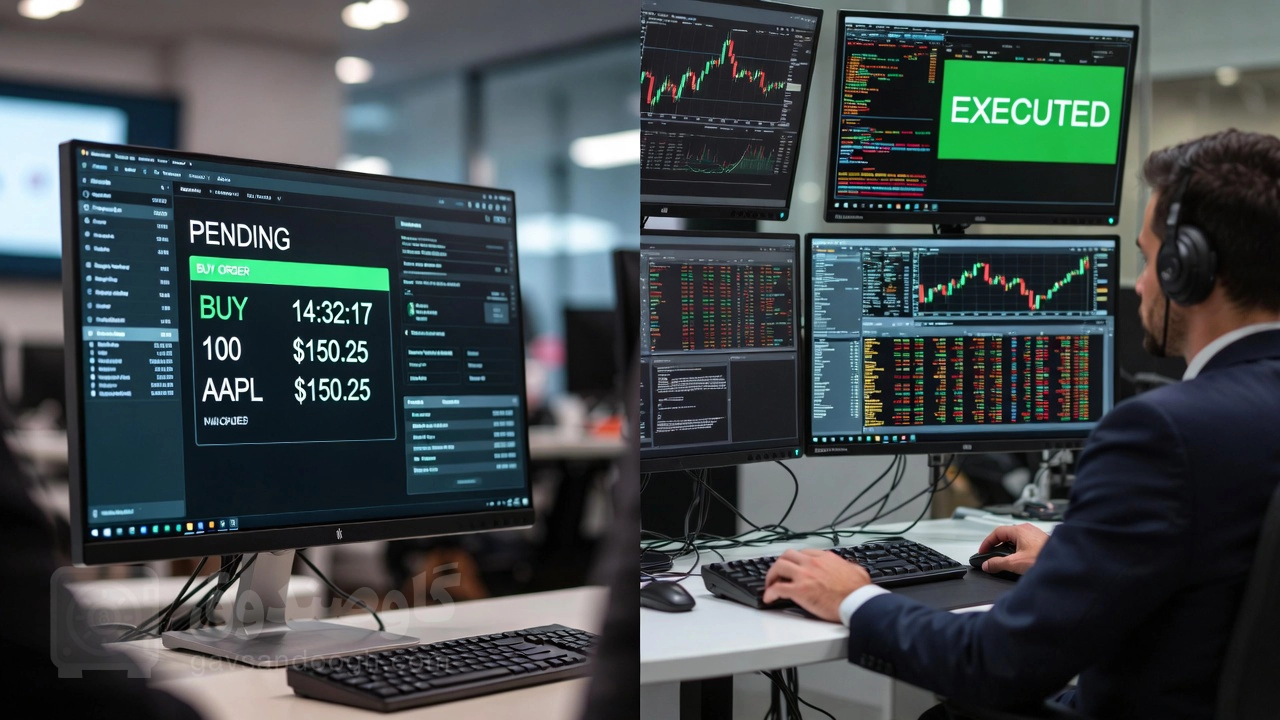
this is a test paragraph4.
this is a test paragraph5.
this is a test paragraph 6.
Written by
Hossein Taheri
Reviewed by
Mohsen Salman Nia
Scientifically verified by
Mehrdad Sharif Nezhad
Written by
Hossein Taheri
Reviewed by
Mohsen Salman Nia
Scientifically verified by
Mehrdad Sharif Nezhad
Duration of reading this article
Duration of reading this article
1 min read
Number of views of this article
63,777 views
Last update
Apr 19, 2026
this is a test paragraph1.
this is a test paragraph2.
this is a test paragraph3.
this is a test paragraph4.
this is a test paragraph5.
this is a test paragraph 6.
Loading comments…
More from the blog, picked for you.
Short answers to common questions about markets and risk.
Investing usually means holding assets for longer periods to benefit from fundamentals and compounding. Trading focuses on shorter-term price movements, more frequent decisions, and a clear plan for entries and exits.
Leverage lets you control a larger position with less capital. It can amplify gains and losses, and poor sizing can lead to outsized drawdowns. Always understand margin requirements and use position sizes you can sustain.
Open another area of xChief Academy in one click.
1 min read
Number of views of this article
63,777 views
Last update
Apr 19, 2026
وقتی درآمد شما وابسته به ریال باشد، تورم همیشه یک قدم از شما جلوتر خواهد بود. وقتی درآمد شما وابسته به دلار باشد، شرایط کاملا عوض میشود. این تفاوت، دلیل اصلی موج بزرگی است که طی چند سال اخیر میان تولیدکنندگان محتوا شکل گرفته است. موجی که هدف آن ورود به بازار کسب درآمد دلاری […]
Other ways to browse the site.
A stop-loss is an order or rule to close a position near a predefined level to limit downside. In fast markets, execution price can slip past your level, but it remains a core tool for disciplined risk management.
Support and resistance are price areas where buying or selling interest has often slowed or reversed a move. Traders use them as context for potential reactions—not as guarantees, since any level can break.
Many traders risk a small fixed fraction of account equity per trade so a run of losses does not erase the account. The right amount depends on your strategy, volatility, and tolerance—never risk money you cannot afford to lose.
A plan defines what you trade, when you enter and exit, how you size positions, and how you manage risk. It supports consistent decisions and makes it easier to review results instead of reacting emotionally to each move.
Browse by keyword
Follow tags to find posts that match your interest.